Studio 54 Was a Vodka Brand Home - And other insights from Edward Hodge of ImagineLab Studios
Studio 54 Was a Vodka Brand Home - And other insights from Edward Hodge of ImagineLab Studios
Hi friends,
This week is all about IRL opportunities in the spirits space inspired by our Liquor to Lifestyle White Paper which you can download here Solomon Group | Tales of the Cocktail White Paper and a fascinating conversation with Edward Hodge, Founder and Creative Executive at Imaginelab Studios, and one of the key figures who helped shape the “spirits brand homes” category.
Edward’s take is sharp: The next era of spirits experiences won’t be defined by heritage displays or production tours. It’ll be defined by relevance i.e. by how fluently brands can meet guests in the moments and mindsets they already inhabit.
Here is what Edward shared:
Start Where Your Audience Actually Is, Not Where You Wish They Were
As experience creators, we need to be advocates of suspension of disbelief, but that can become a major friction point. Instead of focusing on what’s in front of them, guests often find themselves wondering: What is this? Is it cool? Do I believe it? That’s a friction point we should avoid, especially when time with guests is limited.
Too often, brands build experiences around where they wish people were, instead of meeting people where they actually are. And this isn’t just about physical location. It’s about the headspace guests are in when they arrive. Are they in Vegas? At a concert? On vacation?
If we’re building an experience at a music venue, we’re working with people who came for energy, community, and likely a party. That’s the mental state they’re in. Our job is to start there, not to yank them out of that moment and into a brand story using artificial sets and screens. Earning the right to share our brand story comes later, after we’ve connected with guests in the moment they’re already enjoying.
The Sazerac House is a good example. It works because it’s in New Orleans, where cocktail culture is a defining part of the city. They don’t have to convince anyone to care about cocktails. They’re deepening a relationship that already exists (low friction). That’s the difference between authentic connection and performative marketing.
For spirits brands, this means we can bring our story into contemporary contexts without diluting it. Bringing elevated brand storytelling into a daytime music venue isn’t off-brand; it’s about meeting our audience in a space where they’re already primed for discovery. Authenticity comes from respecting both our brand truth and the truth of the moment our audience is in. We’re not fighting for attention; we’re adding value to something guests already want.
Authentic Doesn’t Mean Historical. It Means True to the Moment
Here’s an area that can be total cringe for me. Authenticity has gotten confused with heritage. Too often, it now means:
Sepia filters and faux cobblestones
Studio sets and costumes
Hosts “chewing the scenery” with long speeches about the 1890s
Please, no larping or make-believe that we’re recreating the past. I think we gotta talk about today, how we got here, and why it matters. Show don’t tell.
For any brand, this means we can bring our stories into contemporary contexts without diluting them. Bringing elevated brand storytelling into a music venue tent isn’t off-brand as long as it meets the audience where they are in the truth of their current moment. Where they’re already primed for discovery. Authenticity comes from respecting both our brand truth and the truth of the moment our audience is in.
Unexpected Contexts Create Stronger Brand Memories Than Expected Ones
Daniel’s post got me thinking about why some activations feel special and others feel like living commercials. I think it comes down to context and surprise. When you show up where people don’t expect you, but in a way that makes sense for the moment, you create something that sticks.
Nobody expects an authentic aperitivo experience at Coachella. But Aperol showed up with a chef creating cicchetti and a golden-hour pergola. They created a surprise that felt like a gift.
The same logic applies to putting sophisticated brand experiences in unexpected places. People aren’t expecting a storytelling moment when they walk into that space. When we meet them where they are, stay true to the headspace of the guests, and then give them something unexpected, we convert guests every time.
Compare this to the typical distillery tour:
Smell the grains
See the spirit safe
Taste the whiskey
Watch some “heartfelt” video about the process
The experience might be good, but it’s doing exactly what people thought it would do. Unexpected moments, when genuinely aligned with brand values, create stories people actually tell their friends.
The Distillery Tour Story Is Played Out. Meet People in Their Actual Lives
Bold statement I know. Most brands are still defaulting to the same maker’s journey playbook: the barrels, the aging process, the master distiller’s careful nose. And look, these stories matter. But they’ve become the expected, and if your aim is to convert and build a new customer I just don’t think that is going to move the needle.
This is especially true when you’re not at the actual production site. If you’re in a city center, a brand home, or a pop-up activation nowhere near your distillery, trying to replicate the production story feels disingenuous and builds doubt in your guests. You’re asking people to pretend they’re somewhere they’re not.
Instead of the production journey, help people understand what the product is: the flavor, the craft, the people, all connected to their current moment. Let’s leave the history lessons for YouTube. If someone’s at EDC, the relevant story isn’t “here’s how we make bourbon in Kentucky.” It’s “here’s how this bourbon fits into this moment of your life, with this music, with these people, right now.” That’s a story that resonates because it’s about the guest’s experience.
Attach Your Brand to the Guest’s Experience, Not the Other Way Around
What brand experiences have been doing for the past decade is usually placemaking the brand ID into a physical environment, adding a touch of story, technology, tasting, and BOOM brand home.
Traditional brand experiences ask people to learn their history, appreciate their process, and understand their heritage. I think that “Me Message” model is exhausted for an under 30 demo. What works now is asking ourselves: what is this guest already trying to do, and how can my brand enhance that?
They came to the festival for a reason. They’re at this hotel for a reason. They’re in this city for a reason. Our job isn’t to redirect their attention; it’s to make what they’re already doing even better.
Years ago, I worked with Absolut to bring their story to life at Absolut HOME in Sweden. Quick history lesson, which should make you fall in love with them. In 1979, this was a sleepy hundred year old Swedish liquor trying to relaunch. With a limited budget they went where culture was forming:
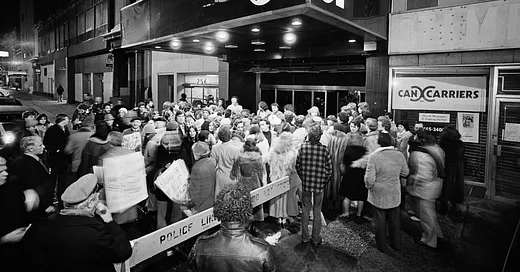
Studio 54 and iconic clubs
Made cocktails cool and trendy, including inventing the Cosmo!
Became vodka of choice in the gay nightlife scene when many mainstream brands were ignoring or avoiding this community
Collaborating with artists like Andy Warhol (who created the famous “Absolut Warhol” ad in 1985), Keith Haring, and many others
Commissioning hundreds of artists to reinterpret the bottle
By embracing communities that most big brands ignored, Absolut built authenticity and coolness from the ground up. Nightclubs became brand homes; artists became collaborators; cultural outsiders became advocates. They didn’t tell people what the brand stood for, they showed up in places that defined it.
That’s the model for the next wave of spirits experiences: not broadcasting identity, but embedding it. When guests remember a weekend or a festival, your brand shouldn’t be the logo on the step-and-repeat, it should be the invisible thread in the memory itself.
Why This Matters Now
After this fascinating conversation with Edward, here is my take.
For years, the spirits industry has treated brand homes as museums of process. The future belongs to those who treat them as platforms of participation.
The new generation of drinkers doesn’t want to be guided through history; they want to co-create the moment. They don’t want the perfectly scripted tour; they want the perfectly timed toast.
When we stop trying to control every detail and instead design for spontaneity, we rediscover the real edge: human connection. Because in an age of AI, automation and efficiency, presence becomes luxury.
That’s what Edward kept circling back to, the idea that the best brand homes don’t preach, they participate. They don’t ask people to step out of their lives; they step into them.
That’s all folks. Until next week, maybe with another deep dive into the world of liquor.